
How big is 45 square metres house and could it work for you in Ireland?
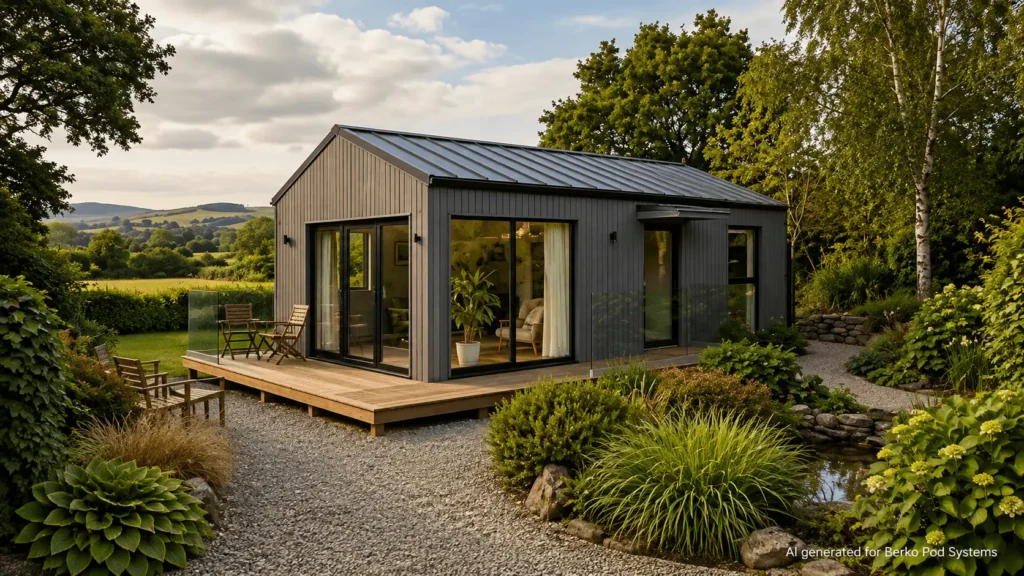
Wondering how big 45 square metres really is? See how it feels, what fits inside, and how Ireland\’s new planning rules make it a real option.
Are garden rooms a good alternative while dealing with mica or Defective Concrete issues?
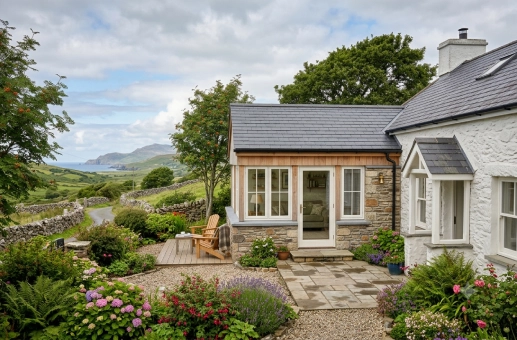
If you are thinking about adding a garden room to your property in County Derry, Donegal or anywhere across Northern Ireland, the most common question is a simple one.
Garden room office ideas for Northern Ireland homes
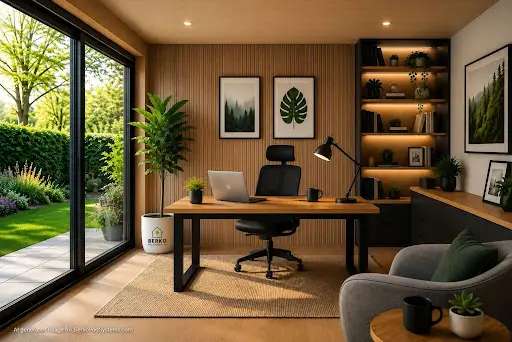
If you are thinking about adding a garden room to your property in County Derry, Donegal or anywhere across Northern Ireland, the most common question is a simple one.
Garden room costs in Derry and Donegal in 2026
If you are thinking about adding a garden room to your property in County Derry, Donegal or anywhere across Northern Ireland, the most common question is a simple one.
Garden office options in Derry and Donegal
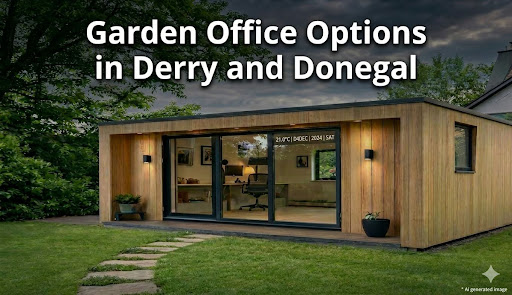
Adding a garden room in Donegal or Derry? Are they usable all year? Learn cost, planning and if you can you sleep in one. See tips for mica-affected homes.
Maximising Energy Efficiency in your Garden Pod
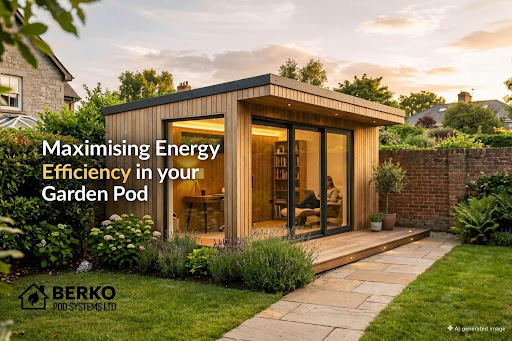
Garden pods have become a popular solution for adding flexible space to Irish homes, whether for work, relaxation or guest accommodation. Learn energy efficiency tips and insights in this Berko guide.
Are garden rooms in Donegal & Derry usable all year?

Adding a garden room in Donegal or Derry? Are they usable all year? Learn cost, planning and if you can you sleep in one. See tips for mica-affected homes.
Modular Homes Ireland Price List
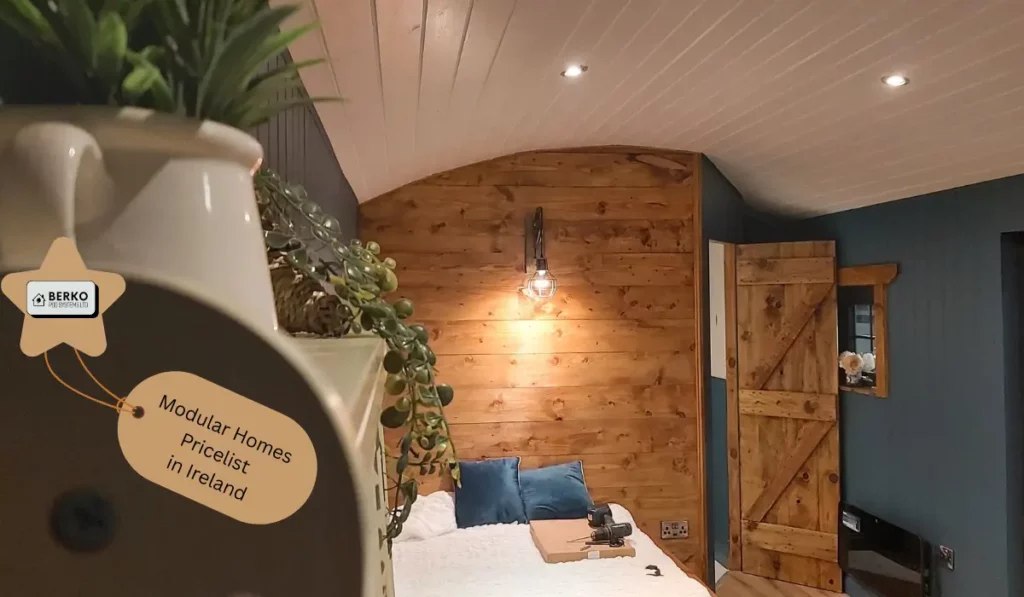
If you are considering building a modular home in Ireland, understanding the typical costs involved is an important first step. An effective and frequently less expensive substitute for conventional building is the modular home.
45 Square Metre Modular Homes in Ireland Planning Law Update
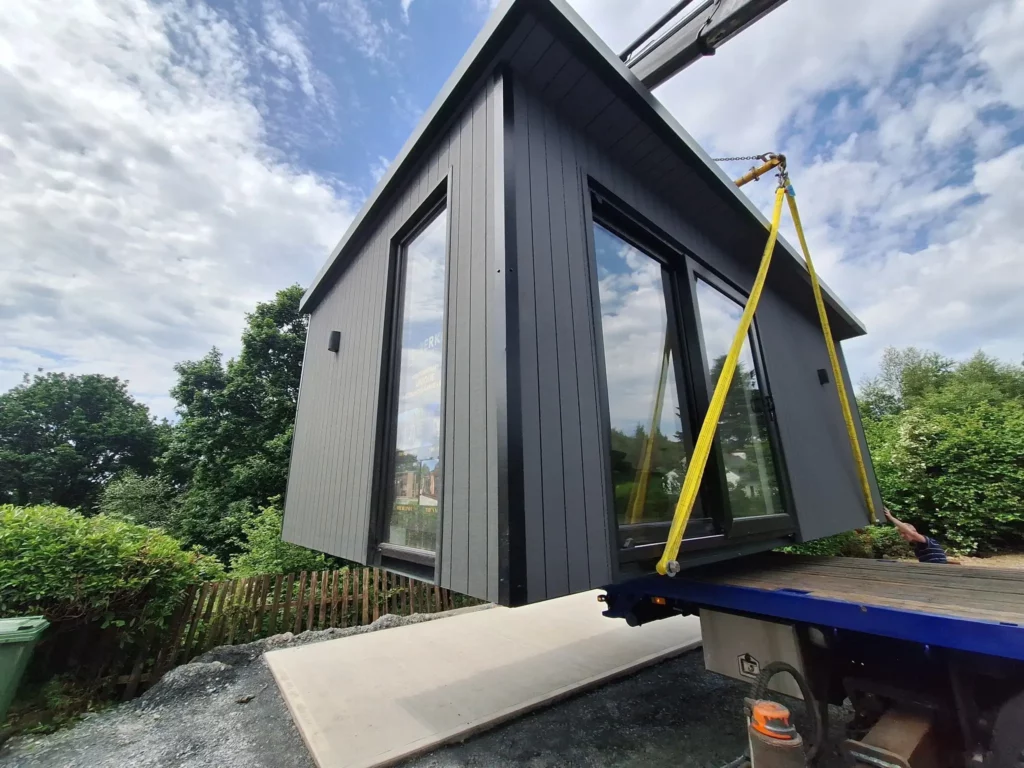
45 Square Metre Modular Homes in Ireland Planning Law Update Home Choosing a Glamping Pod Manufacturer Significant changes to planning laws that could reshape how modular homes in Ireland are developed The Irish government has proposed significant changes to planning laws that could reshape how modular homes in Ireland are developed. Discussions in Dublin this week have focused on a proposal to increase the size limit for exempted garden cabins and modular extensions, which could ease pressure on the country’s housing system.This move forms part of a wider strategy to tackle Ireland’s housing crisis by making it simpler and more affordable for people to create new living spaces in existing residential settings. Talk to Us About Modular Homes Key proposal for 45 sq m modular homes without planning permission What makes it different Several important elements distinguish this proposal from existing regulations: Detached and independent living Homeowners would be allowed to install self-contained modular homes in their gardens that do not need to be physically connected to the main house. This opens up new opportunities for multigenerational living, downsizing or accommodating independent household members. Habitable space permitted The exemption would include structures intended for habitable purposes, such as sleeping, cooking and living. Previously, exemptions applied only to incidental use, such as home offices or storage units. Building regulations compliance Even without planning permission, all new modular homes must still comply with Irish building regulations. This covers insulation, structural safety, ventilation, fire safety and energy performance to ensure residents’ health and wellbeing. Retention of garden space A minimum of 25 square metres of private outdoor space must be maintained. The unit must also be appropriately set back from neighbouring boundaries to reduce potential impacts on privacy and daylight access. No requirement for permanent attachment These units do not need to be physically attached to the primary dwelling, which provides homeowners with more flexibility in design, placement and use. The Irish government has proposed significant changes to planning laws that could reshape how modular homes in Ireland are developed. Discussions in Dublin this week have focused on a proposal to increase the size limit for exempted garden cabins and modular extensions, which could ease pressure on the country’s housing system.This move forms part of a wider strategy to tackle Ireland’s housing crisis by making it simpler and more affordable for people to create new living spaces in existing residential settings. What is changing The main proposal is to allow modular homes up to 45 square metres to be built without applying for planning permission. This marks a major shift from current rules, which only permit non-habitable detached structures up to 25 square metres to be exempt. Talk to us about Modular Homes in Ireland Supporting diverse living situations People with disabilities A detached modular home can offer a high level of independence while keeping support nearby. Family members can provide daily assistance, and the person with a disability can maintain privacy and autonomy. Young adults and students Rising rents and limited rental stock have made it difficult for young people to live independently. Modular garden homes could serve as transitional housing, providing a safe and affordable stepping stone. Older residents For older people seeking to downsize or live closer to family, a garden home offers an ideal solution.It facilitates the government’s positive ageing agenda by enabling people to stay in their communities with available support. Multigenerational households Families may choose to accommodate extended members, such as grandparents or grown-up children, in a modular unit while maintaining household independence. Public consultation now open To gather opinions on the suggested planning amendments, the administration has started a four-week public consultation. This consultation is open to: Homeowners with an interest in building modular extensions or garden homes Builders and modular housing providers who would be involved in delivering the units Planning authorities and professionals tasked with interpreting and applying the rules Community and residents’ groups that are concerned about neighbourhood impacts The aim is to gather a broad range of feedback before finalising any legislative updates. The consultation period began in late July 2025. Why this matters and what it means for Ireland Responding to the housing crisis Ireland continues to face a critical housing shortage driven by high demand, low supply, rising prices and a lack of rental options. By enabling more affordable and flexible living spaces on existing plots, this policy aims to increase the housing stock quickly, without requiring major developments or infrastructure projects. Reducing planning complexity Smaller residential projects often add strain to local authority planning departments. By exempting certain modular builds, the government hopes to streamline the system, allowing planners to focus on large-scale developments and infrastructure projects. Part of a wider review This proposal is part of a broader review of exempted development regulations in Ireland. Other proposed changes under review include: Attic conversions, including permission for rooflight installations without full planning applications Subdivision of homes to create additional dwellings within existing structures Modifications to the design for additions or extensions, such as loosening regulations about exterior finishes and pitched roofs Relaxed insulation requirements to allow for more cost-effective upgrades Temporary structures for schools and hospitals to meet short-term needs Larger extension allowances for educational buildings to support population growth Exemptions related to public infrastructure, including transport improvements and utility upgrades Points raised for consideration While the proposals aim to improve housing access, the government is also seeking feedback on key concerns. Neighbourhood impact There are questions about how these changes will affect residential areas, particularly in urban settings where space is limited. Key concerns include: Overshadowing of neighbouring gardens or properties Loss of privacy due to the placement of windows or entrances Visual impact and how modular homes fit with existing architectural styles Infrastructure and services Increasing the number of residences on a property might raise demand for: Water supply Wastewater and drainage systems Electricity and broadband services Local roads and parking Local authorities and service providers will need to assess how increased density affects community infrastructure. Build quality and regulation
Modular Homes & Planning Law Changes You Need to Know

Modular Homes & Planning Law Changes You Need to Know Home Choosing a Glamping Pod Manufacturer A builder’s perspective on relaxing the law on Modular Homes added to their house or garden As a builder in the modular home industry in Ireland, I’ve seen firsthand how the demand for practical, well-built and affordable housing options has grown over the years. Many families come to us looking for a way to house ageing parents, support adult children struggling with high rents or simply make better use of their property. The Irish government’s recent decision to relax planning laws on modular homes could make a big difference for homeowners, builders and the housing market as a whole. When it actually happens. Addressing the housing crisis Ireland has been facing a severe housing shortage, with rising rents, limited housing stock, and an affordability crisis. In response, the government is taking a major step by proposing the relaxing of current planning laws to allow homeowners to add modular homes to their properties more easily. This move is part of a broader strategy to increase housing supply without unnecessary delays, particularly for families who need quick, practical solutions. This change was a major topic of discussion on Joe Duffy’s Liveline programme on RTÉ Radio 1, where callers shared their experiences with the housing crisis and the potential for modular homes to offer a fast and realistic solution (RTÉ Radio 1, 2025). What is changing for homeowners and builders? Currently, homeowners can build extensions of up to 40 square metres without needing planning permission, but detached modular homes of the same size require approval. The government is now considering removing this requirement, allowing homeowners to install detached modular units on their property without a lengthy approval process. From a builder’s perspective, this change opens up new opportunities. Modular construction is faster, more cost-effective and built to last. With fewer planning restrictions, builders can help homeowners access high-quality living spaces much sooner. Why the modular homes and planning law changes matter The move to relax planning laws is about more than just convenience—it’s a response to Ireland’s chronic lack of housing. With house prices continuing to climb, many people are struggling to find suitable accommodation. Allowing modular homes without unnecessary planning delays gives families flexible options for housing their relatives or providing affordable rental spaces. The government is also revising the Croí Cónaithe grant, which supports the refurbishment of vacant homes. Making this grant easier to access could further increase housing supply, particularly in rural areas. What this means for Homeowners Easier housing solutions. Homeowners would be able to install modular homes without excessive planning red tape. Affordability. Compared to traditional construction, modular homes are more affordable. Faster Construction. A modular home can be installed within weeks, compared to the months needed for traditional builds. Building standards still apply. While planning permission may no longer be required, local authorities will continue to enforce strict building regulations (RTÉ News, 2025). More support for vacant homes. Easier access to grants will encourage homeowners to refurbish and rent out vacant properties, contributing to overall housing availability. The debate – A modular home builder’s take Why this could be a good step forward A practical solution to the housing shortage. Modular homes can help reduce pressure on the housing market quickly. Keeping families together. Homeowners can provide housing for relatives while maintaining their own space. Boost for the construction industry. With these changes, builders can meet demand more efficiently, delivering well designed modular homes. Environmentally friendly. Many modular homes use sustainable materials and energy efficient designs, making them a modern, practical choice. Concerns and considerations Ensuring high standards. Not all modular homes are built to the same level of quality. Proper regulation is needed to prevent substandard units. Potential for exploitation. Some fear that landlords could misuse this law, installing low-quality modular homes and renting them out at high rates (The Sun, 2025). Pressure on local infrastructure. Increased housing density in certain areas could strain roads, utilities and public services. Impact on property values. Some homeowners worry about how modular home expansion could affect neighbourhood aesthetics and property prices. What’s next? The builder’s role The Irish government is launching a public consultation to gather input from homeowners, builders, and community groups. As builders, we see this as an opportunity to advocate for well-regulated, high-quality modular housing that meets both family needs and broader housing goals. At Berko Pod Systems, we have years of experience in designing and building durable modular homes. These new planning law changes could make it easier and faster for homeowners to get access to safe, well built, and comfortable modular housing. Final thoughts From a builder’s perspective, this change could be a major shift in Ireland’s housing landscape, but only if it is implemented correctly. Cutting corners won’t solve the housing crisis. Instead, we need to ensure that modular homes are built to high standards, remain affordable, and contribute positively to communities. If you’re considering adding a modular home to your property, contact us today. We can guide you through your options, regulatory considerations, and how to create a space that meets your needs. With careful planning and a focus on quality, modular homes can be part of the long-term solution, offering affordable, practical, and well-built housing for years to come. Frequently Asked Questions about Modular Homes & Planning Law Changes in Ireland Where in Ireland will these new planning laws apply? The proposed changes will apply across Ireland, including major urban areas like Dublin, Cork, Limerick, and Galway, as well as rural counties such as Donegal, Kerry, and Mayo. Local authorities will still oversee compliance with building regulations. Can I build a modular home in my garden without planning permission? Under the proposed changes, homeowners may be able to install a modular home up to 40 square metres without requiring planning permission. However, larger structures would still need approval. Will I need approval from my local council? Even if planning permission is waived, local